On the evening of the 5th of January, shoes are carefully lined up in hallways, on balconies, terraces or by windows. They’re checked once, then twice. Some are placed neatly side by side, others slightly crooked, but all with the same quiet hope: that the Three Wise Men will know exactly where to leave the presents.
For many across Spain, Latin America and other parts of the world, the 6th of January is special. For countless children, it’s the day they have been waiting for: El Día de los Reyes Magos, or Three Kings Day, the day the Three Wise Men finally arrive.
For me, Three Kings Day was one of those traditions that quietly shaped my relationship with language, culture, and identity. Growing up between cultures, this day always felt like a small but powerful reminder that the Spanish side of me had a place in the world. That it had the right to exist and take up space, even while living in a country that didn’t celebrate it in the same way.
It’s also a beautiful example of how culture, language, and identity are deeply intertwined – and why maintaining cultural traditions matters so much, especially in multilingual families.
What Is Three Kings Day?
Three Kings Day commemorates the biblical story of the Reyes Magos – Melchior, Caspar and Balthasar – who travelled from afar to bring gifts to the newborn Jesus. In Spanish-speaking cultures, this day holds similar importance to Christmas Day in other countries.
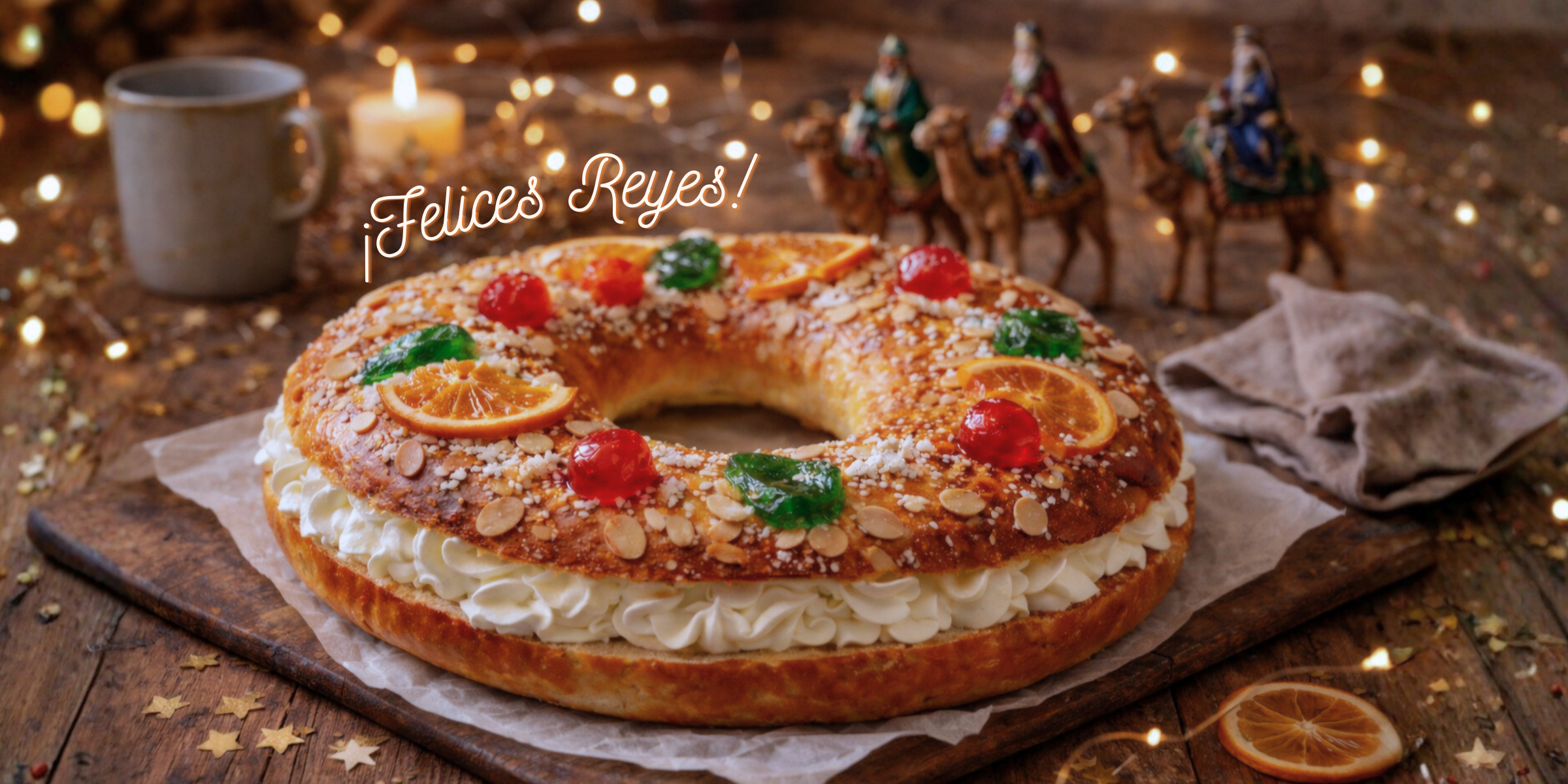
Children write letters to the Three Wise Men, attend colourful cabalgatas (parades) on the 5th, leave out water and sweets for the Kings and their camels, and wake up on the 6th of January to find presents in their shoes. Families then come together to share roscón de reyes, a sweet bread hiding small surprises inside.
Language plays a central role in all of this: the letters, the songs, the stories, the shared vocabulary that only exists around this tradition. These linguistic rituals carry meaning far beyond the words themselves.
Traditions as Anchors for Multilingual Children
For children growing up with more than one language or culture, traditions can act as emotional anchors. They offer continuity, familiarity, and a sense of belonging, even when daily life happens in a different language or country.
Celebrating Three Kings Day in a non-Spanish-speaking environment isn’t always easy. Schools may not recognise it, friends might not know it, and parents may wonder whether it’s worth the effort.
From a multilingualism perspective, the answer is a clear yes.
When children experience traditions tied to a specific language, they learn that this language isn’t just something spoken at home, it’s a carrier of stories, emotions, memories, and identity. This strengthens both language motivation and emotional security.
When we pass traditions on to our children, we’re not only passing on vocabulary. We’re giving them emotional access to a part of their heritage.
I’ll be eternally grateful to my mother for taking the time to bake a roscón in the years we couldn’t travel to Spain for the holidays. It would’ve been easier to let the tradition slip. Instead, she recreated it at home, year after year.
This year, she has the easy option of buying one, while I’ll be baking my roscón without her helping hand, sharing it with friends in Germany instead.
For me, the roscón has become an anchor for my Spanish identity. A way to make culture tangible, to explain where I come from without needing many words. Somehow, things are easier to explain when they involve cake.
Making Space for Multiple Traditions
Some multilingual families worry that celebrating multiple traditions, such as Christmas and Three Kings Day, or combining traditions from different cultures, might confuse children. They may feel pressured to choose one celebration over another, especially when one tradition is more visible or socially recognised than the other.
In reality, children are incredibly capable of understanding that different cultures celebrate differently. They quickly learn that traditions depend on context: what we celebrate at home, what is celebrated at school, and what is celebrated elsewhere in the world. Experiencing more than one tradition doesn’t overwhelm or confuse them, it expands their understanding of how the world works.
What matters most is consistency, meaning, and emotional connection. Children need presence, explanation, and the freedom to experience all parts of who they are, even during phases where they might just want to “fit in”.
Rather than taking something away, celebrating multiple traditions enriches children’s lives. It gives them more stories, more memories, and more ways to connect to different parts of their identity.
What matters most is consistency, meaning, and emotional connection. Children don’t need every tradition to be celebrated perfectly. They need presence, explanation, and the reassurance that all parts of who they are are welcome. Even during phases where they might just want to “fit in”, knowing that their full background has a place can become a quiet source of strength later on.
A Gentle Reminder for Parents
If you are a parent wondering whether it’s worth holding on to a tradition that feels small or inconvenient, let this be your reminder:
What feels small to you may become a core memory for your child.
Like my mother’s roscón did for me.
Three Kings Day or any other tradition isn’t just about presents or cake. It’s about storytelling, anticipation, language, and belonging. And those are things multilingual children can never have too much of.
Multilingualism isn’t only a skill, it’s a lived experience. Traditions like Three Kings Day remind us that languages are alive, emotional, and rooted in culture. And they offer both multilingual children and adults a powerful way to connect with all the parts of who they are.
Happy Three Kings Day! Or as we say in Spanish: ¡Felices Reyes!
Leave a Reply